Filtrar contenido
El papel de Barcelona en la expansión internacional del flamenco
Barcelona ha sido clave para la difusión del flamenco en Europa y el mundo. Sus escenarios y artistas han proyectado este arte más allá de Andalucía
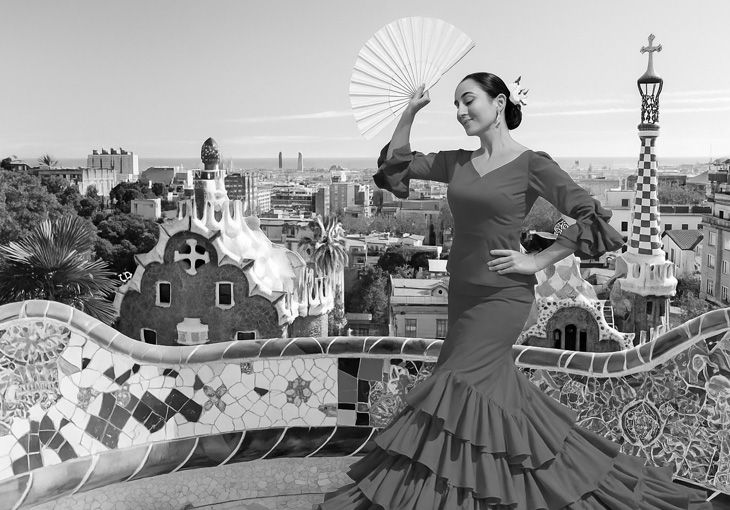
Cuando se habla de flamenco, la mente suele viajar directamente a Andalucía, cuna indiscutible de este arte. Sin embargo, hay ciudades que han jugado un papel fundamental en su difusión y reconocimiento internacional. Entre ellas, Barcelona ocupa un lugar privilegiado como puente entre el flamenco y el resto del mundo.
Una ciudad abierta al mundo
Por su condición de ciudad portuaria y cosmopolita, Barcelona ha sido históricamente un punto de encuentro cultural. Desde finales del siglo XIX, recibió a viajeros y artistas de toda Europa que encontraron en sus calles y teatros un lugar vibrante donde descubrir nuevas expresiones artísticas.
En ese contexto, el flamenco se presentó no solo como una manifestación popular, sino como un arte capaz de emocionar a públicos diversos y de trascender fronteras.
Los cafés cantantes y tablaos de Barcelona
A finales del siglo XIX y principios del XX, Barcelona fue sede de numerosos cafés cantantes, espacios donde el flamenco se consolidó como espectáculo. Estos lugares se convirtieron en referencia para artistas que llegaban desde Andalucía y para un público local e internacional que empezaba a fascinarse con el arte jondo.
Posteriormente, los tablaos flamencos de la ciudad —entre ellos Los Tarantos o El Carmen— mantuvieron viva la tradición, al tiempo que ofrecían un escenario para artistas emergentes y consagrados. Barcelona se consolidó así como una de las capitales flamencas fuera de Andalucía.
Escenario de grandes figuras
Numerosos artistas flamencos han pasado por Barcelona, encontrando en la ciudad un trampolín hacia giras internacionales. Desde cantaores y bailaores hasta guitarristas, muchos vieron en la ciudad condal una plataforma donde mostrar su arte a críticos, empresarios y públicos de todo el mundo.
Con su rica oferta cultural, Barcelona fue una de las primeras ciudades en presentar el flamenco en teatros de prestigio, contribuyendo a dignificarlo y a posicionarlo como arte universal.
El flamenco como embajador cultural
La proyección internacional del flamenco tuvo en Barcelona un aliado estratégico. Desde aquí, el arte jondo viajó a París, Londres, Berlín y más allá, encontrando públicos que lo adoptaron como símbolo de la cultura española.
En ferias, festivales y circuitos culturales, Barcelona ha sido —y sigue siendo— un espacio clave para esa expansión. Su condición cosmopolita la convierte en un lugar donde tradición y modernidad conviven, generando nuevas formas de difusión y creación artística.
El flamenco es hoy un arte universal gracias al trabajo de muchos artistas y escenarios que lo llevaron más allá de sus raíces andaluzas. En ese recorrido, Barcelona fue y sigue siendo una de las principales puertas de entrada del flamenco al mundo.
Si quieres vivir en primera persona esta conexión entre tradición y proyección internacional, Teatro Flamenco Barcelona te invita a disfrutar de un espectáculo donde el duende se comparte con todo el mundo.