Filtrar contenido
Flamenco y modernismo: el diálogo entre Gaudí y el arte jondo
El modernismo barcelonés y el flamenco comparten sensibilidad, simbolismo y emoción. Dos lenguajes distintos que dialogan en la ciudad de Gaudí
Barcelona es una ciudad donde las artes conviven y dialogan constantemente. A finales del siglo XIX y principios del XX, mientras el modernismo transformaba su arquitectura y su identidad cultural, el flamenco encontraba en la ciudad condal un espacio para crecer y consolidarse como espectáculo popular. Aunque a primera vista parecen universos distintos, Gaudí y el flamenco comparten puntos en común: pasión, simbolismo y la capacidad de emocionar desde lo más profundo.
Gaudí y la búsqueda de lo esencial
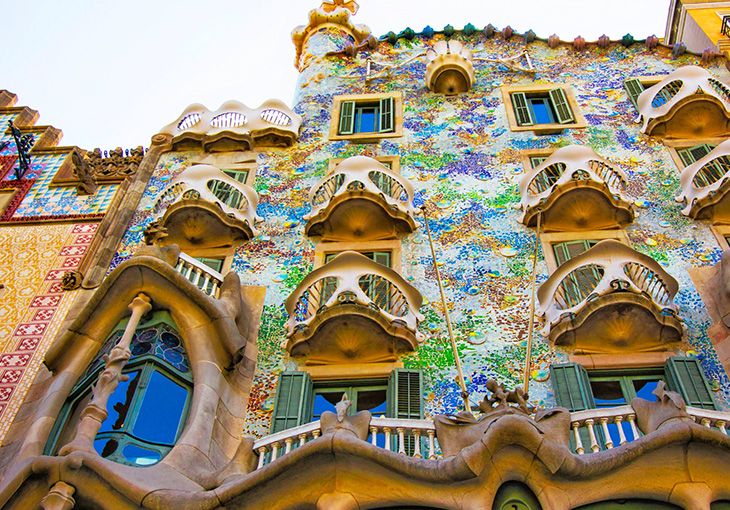
La obra de Antoni Gaudí está marcada por una fuerte conexión con la naturaleza, el uso del color y la simbología espiritual. Su arquitectura rompe esquemas, pero al mismo tiempo bebe de tradiciones populares y de elementos profundamente enraizados en la cultura mediterránea.
Del mismo modo, el flamenco se nutre de raíces populares, de la vida cotidiana y de las emociones humanas más intensas. Ambos lenguajes artísticos, aunque diferentes en forma, se construyen sobre la autenticidad y el deseo de conmover al espectador.
Modernismo y flamenco: un mismo espíritu
El modernismo buscaba renovar el arte desde una mirada vanguardista, pero sin perder de vista la tradición. Algo similar ocurre en el flamenco: cada generación de artistas aporta innovación, pero siempre desde el respeto a las raíces.
En la Barcelona modernista, cafés cantantes y espacios culturales se convirtieron en puntos de encuentro donde lo popular y lo culto se entrelazaban. Así, mientras los edificios modernistas levantaban sus formas sinuosas y coloridas, en los tablaos y cafés se escuchaban cantes y se veían bailes que transmitían esa misma fuerza transformadora.
Simbolismo y emoción compartida
Tanto en Gaudí como en el flamenco hay un lenguaje simbólico que trasciende lo material. En la arquitectura modernista, los mosaicos, las formas orgánicas y la luz buscan transmitir un mensaje espiritual. En el flamenco, los gestos, el cante y el compás llevan consigo la memoria de un pueblo, la lucha, el dolor y la celebración de la vida.
Ambos se apoyan en la emoción como eje central: el estremecimiento que provoca una soleá o la contemplación de la Sagrada Familia comparten un mismo objetivo, conmover desde lo más hondo.
Barcelona, espacio de encuentro
Barcelona fue, y sigue siendo, un lugar donde se encuentran distintas formas de arte. La ciudad condal acogió el modernismo como una expresión de identidad cultural, al mismo tiempo que se convirtió en un enclave clave para el desarrollo del flamenco.
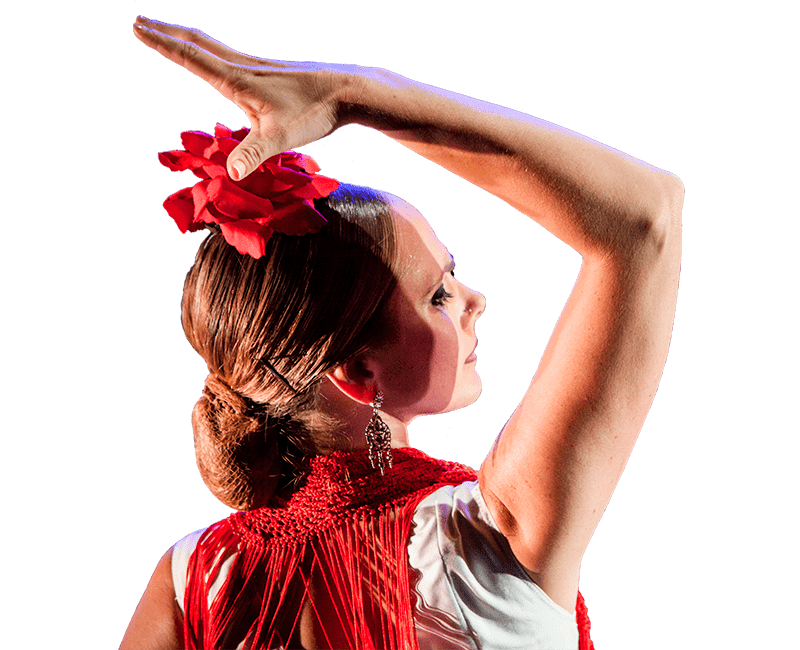
En tablaos históricos y actuales, el arte jondo sigue vivo, dialogando con la modernidad y el cosmopolitismo que definen a Barcelona. Este diálogo entre tradición y vanguardia, entre el duende flamenco y la creatividad modernista, es una de las riquezas culturales más fascinantes de la ciudad.
El flamenco y el modernismo nos recuerdan que la creación artística no entiende de fronteras: se alimenta de raíces, pero también de innovación.
Si quieres vivir ese espíritu de encuentro entre pasado y presente, Teatro Flamenco Barcelona te invita a disfrutar de espectáculos donde el arte jondo se expresa con la misma fuerza transformadora que caracteriza a Gaudí y a la Barcelona modernista.